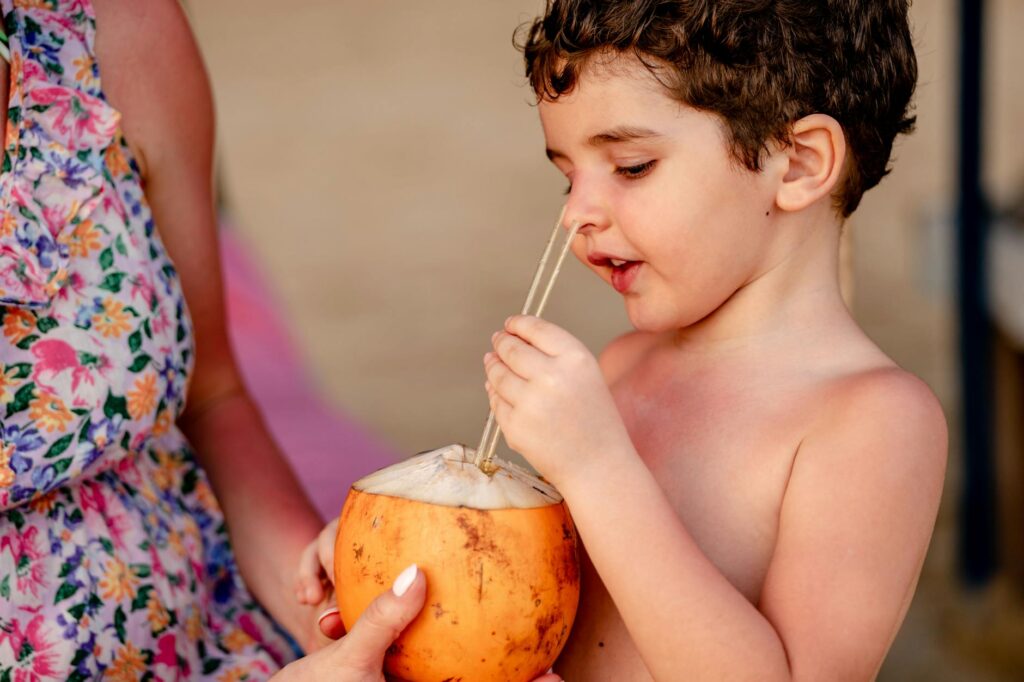
- Toddler Hydration Heroes: Keeping Your Little One Refreshed All Day Long!
- Why is Hydration So Important for Little Ones?
- What Counts as "Fluid"? (And What Doesn't!)
- The Hydration All-Stars:
- What to Watch Out For:
- Making Hydration Fun: Tips for Picky Sippers
- Safety First: Hydration Dos and Don'ts
- Common Hydration Pitfalls Parents Encounter
- Your Hydration Questions, Answered!
- Keep Them Sipping and Smiling!
Toddler Hydration Heroes: Keeping Your Little One Refreshed All Day Long!

Ah, toddlers! Those amazing little bundles of energy who seem to run on pure sunshine and curiosity. Watching them explore the world is a joy, but it also means they’re constantly on the go, and that can mean a whole lot of sweat (and maybe a few spilled drinks!). As parents, we’re always juggling a million things, and sometimes, something as simple as ensuring our little ones are staying hydrated can slip our minds. But fear not, fellow parents! Keeping your toddler happy, healthy, and perfectly refreshed is totally achievable, and it doesn’t have to be a chore. Let’s dive into how we can become hydration heroes for our tiny adventurers!
Why is Hydration So Important for Little Ones?
You might think a few hours without a drink won’t hurt, but for toddlers, proper hydration is crucial for so many reasons. Their little bodies are growing and developing at an incredible pace, and water plays a starring role in all those amazing processes.
Temperature Regulation: Toddlers can’t always tell us they’re feeling overheated. Water helps their bodies cool down, especially when they’re active or on a warm day.
Nutrient Transport: Water is like the delivery truck for all those good nutrients from food to their cells.
Energy Levels: Dehydration can make anyone feel sluggish, and toddlers are no exception. Staying hydrated helps them keep their boundless energy levels up for all their important play and learning.
Digestion: A well-hydrated tummy is a happy tummy! Water helps with healthy digestion and prevents uncomfortable constipation.
Brain Function: Believe it or not, even mild dehydration can affect a toddler’s mood and concentration. Keeping them topped up helps their little brains work their best.
What Counts as “Fluid”? (And What Doesn’t!)
When we talk about hydration, it’s not just about plain water, although that’s definitely the MVP!
The Hydration All-Stars:
Water: This is your go-to, the champion of hydration. Offer it throughout the day.
Milk: For babies and toddlers, milk (breast milk, formula, or whole cow’s milk for those over one) is a significant source of fluids and important nutrients.
Fruits and Vegetables: Many fruits and vegetables have a high water content. Think watermelon, strawberries, cucumber, and oranges. These are fantastic ways to sneak in extra fluids, especially during meals and snacks.
Diluted 100% Fruit Juice (in moderation): While not as ideal as water or milk, a small amount of 100% fruit juice, diluted with water (half juice, half water), can be offered occasionally. The American Academy of Pediatrics recommends limiting juice intake.
What to Watch Out For:
Sugary Drinks: Sodas, sports drinks (unless specifically advised by a doctor for very prolonged, intense activity), and sweetened beverages should be avoided. The high sugar content can be detrimental to their health and dental development, and they don’t offer the same hydration benefits as water.
Caffeinated Drinks: Absolutely no coffee, tea, or energy drinks for toddlers.
Making Hydration Fun: Tips for Picky Sippers
We all know toddlers can be… particular. If your little one isn’t a fan of plain water, don’t despair! Here are some ways to encourage them:
Fun Cups and Straws: Let them choose their own special sippy cup or water bottle. Bright colors, characters, or cool straw designs can make drinking more exciting.
Infuse with Flavor (Naturally!): Add a slice of cucumber, a few berries, or a thin slice of orange to their water for a subtle, refreshing twist.
Make it a Routine: Offer a drink after waking up, before and after meals, before naps, and before bedtime. This builds a healthy habit.
Lead by Example: Let your toddler see you drinking water! They love to mimic what we do.
Freeze it! Try freezing small amounts of diluted juice or pureed fruit in ice cube trays for a cool, lickable treat on a warm day.
Safety First: Hydration Dos and Don’ts
While we want to keep our toddlers hydrated, it’s important to be mindful of a few safety aspects:
Water Safety for Babies: For infants under six months, breast milk or formula is sufficient for hydration. Introducing plain water is generally not recommended unless advised by a pediatrician.
Choking Hazards: Be cautious with whole grapes or large chunks of fruit. Always cut them into appropriate, bite-sized pieces for toddlers.
Temperature of Drinks: Ensure drinks are not too hot, especially if using a bottle or sippy cup. Test the temperature on your wrist.
Outdoor Safety: On hot days, increase fluid intake. Watch for signs of overheating.
Common Hydration Pitfalls Parents Encounter
It’s easy to fall into a few common traps when it comes to toddler hydration. Recognizing them is the first step to avoiding them:
Relying too much on juice: As mentioned, juice can be okay in moderation, but it’s easy to overdo it, leading to too much sugar and less room for essential nutrients from milk or water.
Forgetting drinks during busy days: When you’re out and about or engrossed in playtime, it’s easy to forget to offer a drink. Keep a water bottle handy!
Ignoring thirst cues: Toddlers might not always articulate that they’re thirsty. Watch for subtle signs like a dry mouth, fewer wet diapers, or fussiness.
Thinking that all liquids are equal: While milk and some fruits contribute to hydration, they shouldn’t replace plain water as the primary fluid source.
Your Hydration Questions, Answered!
Q1: How much fluid does my toddler actually need each day?
This can vary based on activity level, weather, and diet, but a general guideline for toddlers (ages 1-3) is around 4-5 cups of total fluids per day. This includes water, milk, and fluids from food.
Q2: My toddler only wants milk. Is that okay?
While milk is important, it’s also good to introduce water early. Too much milk can fill up their little tummies, potentially reducing their appetite for solid foods and leading to iron deficiency. Aim for a balance, offering water throughout the day alongside their recommended milk intake.
Q3: What are the signs my toddler is dehydrated?
Look out for a dry mouth, fewer than six wet diapers in 24 hours, crying without tears, sunken eyes, unusual sleepiness or irritability, and a sunken soft spot on an infant’s head. If you suspect dehydration, it’s always best to consult your pediatrician.
Q4: Can I give my toddler electrolyte drinks if they’re sick?
For mild illnesses with some fluid loss, continuing to offer breast milk, formula, or water is usually recommended. If your child is experiencing significant vomiting or diarrhea, it’s important to contact your pediatrician. They can advise on the best course of action and whether an electrolyte solution is appropriate, and if so, which kind.
Q5: What if my toddler just doesn’t seem thirsty?
Toddlers are often too busy playing to notice they’re thirsty. Proactive offering is key! Offer them a drink at regular intervals throughout the day, especially during and after physical activity, and during warmer weather.
Keep Them Sipping and Smiling!
Staying on top of your toddler’s hydration is a simple yet incredibly effective way to support their health and well-being. By offering fluids regularly, making it a positive experience, and being mindful of their needs, you’re doing a fantastic job of nurturing your little one. Remember, consistency is key, and small, regular sips are often more effective than large gulps. You’ve got this, super parent!
This article is for educational purposes only and does not replace professional medical advice. Always consult a certified pediatrician.