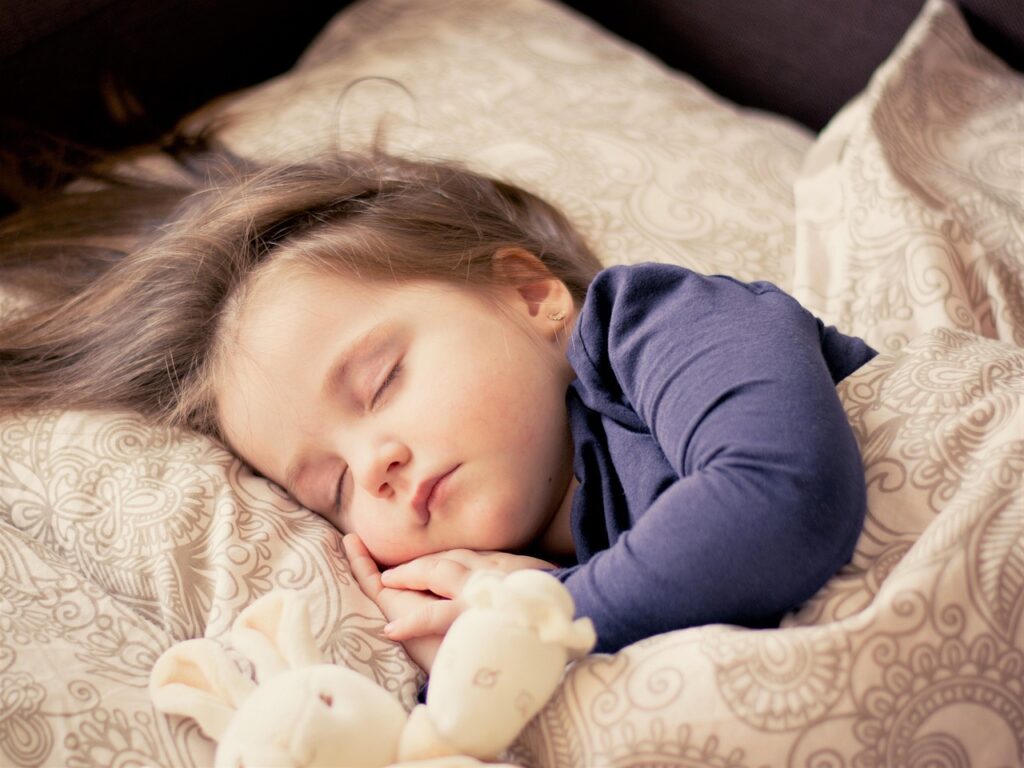
- Sweet Dreams, Little One: Crafting the Safest Sleep Space for Your Baby
- The ABCs of Safe Sleep: What Every Parent Needs to Know
- A is for Alone:
- B is for Back:
- C is for Crib (or Bassinet/Pack-n-Play):
- Beyond the ABCs: Creating a Truly Safe Sleep Sanctuary
- Keep it Clear:
- Temperature Matters:
- Firm Mattress, Snug Fit:
- Room-Sharing, Not Bed-Sharing:
- Common Pitfalls: What to Avoid
- Your Questions Answered: Safe Sleep FAQs
- A Little Peace of Mind for You
Sweet Dreams, Little One: Crafting the Safest Sleep Space for Your Baby

The pitter-patter of tiny feet, the gummy smiles, the overwhelming love – becoming a parent is a beautiful, life-changing adventure. And right alongside the joy comes the constant desire to keep your little one safe and sound. One of the most crucial aspects of baby care, and often a source of worry for new parents, is creating a safe sleep environment. We all want those precious hours of rest for both baby and ourselves, but ensuring it’s also the safest possible sleep space is paramount. Let’s dive into how we can create a haven of peaceful slumber for your baby.
The ABCs of Safe Sleep: What Every Parent Needs to Know
When we talk about safe sleep, we’re talking about practices that significantly reduce the risk of Sudden Infant Death Syndrome (SIDS) and other sleep-related infant deaths. These guidelines are developed by leading health organizations and are designed to be straightforward and effective.
A is for Alone:
This is perhaps the most vital rule. Your baby should always sleep alone in their own safe sleep space. This means no co-sleeping with parents, siblings, or pets. While the idea of snuggling your baby close all night might be tempting, it’s essential for their safety to have their own dedicated sleeping spot. This helps prevent accidental suffocation or overheating.
B is for Back:
Always, always place your baby on their back to sleep. This is true for naps and nighttime sleep. Once a baby can reliably roll over on their own, you don’t need to reposition them if they roll out of the back sleep position. However, always start them on their back. This position is the safest and significantly reduces the risk of SIDS.
C is for Crib (or Bassinet/Pack-n-Play):
Your baby’s sleep space should be a firm, flat surface. This means a crib, bassinet, or a playard (pack-n-play) that meets current safety standards. The mattress should be firm and fit snugly, with no more than two fingers’ width between the mattress and the sides of the sleep space. Avoid soft surfaces like adult beds, couches, or armchairs for sleep.
Beyond the ABCs: Creating a Truly Safe Sleep Sanctuary
Once you’ve got the core ABCs down, there are other essential elements to consider for your baby’s sleep environment.
Keep it Clear:
This is a big one. Your baby’s crib, bassinet, or playard should be completely free of loose bedding, blankets, pillows, bumpers, stuffed animals, and any other soft objects. These items can pose a suffocation risk. The safest sleep space is an empty one.
Temperature Matters:
Babies can’t regulate their body temperature as effectively as adults. It’s important to keep the room at a comfortable temperature, generally between 68-72 degrees Fahrenheit (20-22 degrees Celsius). Dress your baby in one more layer than you would wear to be comfortable. Overheating is a risk factor for SIDS, so avoid dressing them in too many layers or using heavy blankets. A sleep sack or wearable blanket is a great alternative to loose blankets.
Firm Mattress, Snug Fit:
As mentioned earlier, the mattress is key. A firm mattress is essential for safe sleep. It prevents a baby’s face from sinking into the mattress, which could obstruct breathing. Ensure the mattress is specifically designed for the sleep space and that there are no gaps.
Room-Sharing, Not Bed-Sharing:
Health organizations recommend room-sharing for at least the first six months, and ideally for the first year. This means having your baby sleep in your room, but on a separate, safe sleep surface like a crib or bassinet. This proximity makes it easier to respond to your baby’s needs and has been shown to reduce the risk of SIDS. Remember, this is room-sharing, not bed-sharing.
Common Pitfalls: What to Avoid
Even with the best intentions, sometimes parents can fall into common traps when it comes to baby sleep. Being aware of these can help you steer clear.
Using Soft Sleep Surfaces: Sleeping on a couch, armchair, or adult bed with a baby is incredibly risky. These surfaces are not designed for infant sleep and can increase the risk of suffocation.
Over-Bundling: While we want our babies to be warm, over-bundling can lead to overheating. Pay attention to your baby’s cues – if they’re sweating or feel hot to the touch, they may be too warm.
Introducing Loose Bedding: That cute bumper pad or fluffy blanket might look cozy, but it’s a hazard. Stick to a fitted sheet on a firm mattress and use a sleep sack for warmth.
Ignoring the “Alone” Rule: Co-sleeping, even with the best intentions, significantly increases risks. Create a safe sleep space for your baby and keep them there.
Using Sleep Positioners: These products, designed to keep a baby on their back, are not recommended and can be dangerous.
Your Questions Answered: Safe Sleep FAQs
Q1: When can I stop putting my baby on their back to sleep?
A1: Always place your baby on their back for every sleep, including naps, until they are at least 1 year old. If your baby is able to roll over independently from back to tummy, you do not need to reposition them if they roll onto their tummy during sleep.
Q2: Is it okay to use a blanket in the crib once my baby is older?
A2: It’s best to avoid loose blankets altogether. Even for older babies, a sleep sack or wearable blanket is a safer alternative for warmth.
Q3: What if my baby gets too hot or cold during the night?
A3: Check the room temperature and your baby’s clothing. Dress them in layers appropriate for the room temperature. A good rule of thumb is one more layer than you would wear. You can also feel the back of their neck or their tummy – if they feel sweaty or cool, adjust their clothing or the room temperature.
Q4: Can I let my baby sleep in a swing or bouncer?
A4: Swings, bouncers, and car seats are not safe for unsupervised sleep. Babies can slouch in these positions, which can obstruct their airway. They are designed for short periods of awake time, not for naps or nighttime sleep.
Q5: What are the signs of SIDS?
A5: SIDS is a diagnosis of exclusion, meaning it’s diagnosed when a baby dies suddenly and unexpectedly, and a thorough post-mortem examination cannot explain the cause of death. The focus of safe sleep guidelines is to prevent* sleep-related infant deaths, not to identify or treat SIDS.
A Little Peace of Mind for You
Creating a safe sleep space for your baby is one of the most impactful things you can do to protect them. It might feel like a lot of rules at first, but these guidelines are in place for a reason, and they are proven to make a difference. Remember to trust your instincts, and don’t hesitate to ask for help from your pediatrician or other trusted healthcare providers. You are doing an amazing job, and focusing on safe sleep is another way you are providing the best possible care for your little one. Sweet dreams, little ones, and to you too, parents!
—
This article is for educational purposes only and does not replace professional medical advice. Always consult a certified pediatrician.