- Splish, Splash, Safety First! Essential Tips for a Worry-Free Baby Bath
- Preparing for a Safe and Soothing Soak
- Gathering Your Supplies: The Bath Time Arsenal
- The Perfect Water Temperature: Not Too Hot, Not Too Cold
- Bathing Your Baby: Step-by-Step Safety
- Newborns and Young Infants: Gentle Handling is Key
- Older Infants and Toddlers: Supervised Splashing
- Common Mistakes to Avoid
- Frequently Asked Questions About Baby Bath Safety
- Bath Time Bliss, Safety Guaranteed
Splish, Splash, Safety First! Essential Tips for a Worry-Free Baby Bath
There’s something magical about bath time with your little one. The giggles, the splashes, the sheer joy on their face as they discover a rubber ducky – it’s a precious bonding moment. But as delightful as it is, baby bath time also comes with its own set of responsibilities, and safety should always be the top priority.
As parents, we’re constantly learning and adapting, and navigating the world of baby care can feel like a steep learning curve. Bathing your baby might seem straightforward, but there are several key things to keep in mind to ensure those bubbly moments are as safe as they are fun. Let’s dive into some essential tips to make bath time a breeze for both you and your little one.
Preparing for a Safe and Soothing Soak
A little preparation goes a long way when it comes to baby bath safety. Thinking ahead can prevent hurried, potentially risky situations.
Gathering Your Supplies: The Bath Time Arsenal
Before you even think about running the water, make sure everything you need is within arm’s reach. This is crucial because you should never, ever leave your baby unattended in or near water, even for a second. Having everything ready means you can focus your full attention on your little one.
Here’s a handy checklist:
Clean towels: Soft, absorbent towels are a must. Having at least two on hand is a good idea – one for immediate drying and one for wrapping them up.
Baby wash and shampoo: Opt for gentle, tear-free formulas specifically designed for babies.
Diaper and clean clothes: Have these laid out and ready to go for post-bath snuggles.
Diaper cream (if needed): If your baby needs it, have it within easy reach.
Bath toys: Simple, safe toys can make bath time more engaging. Ensure they are clean and free of mold.
Bath support or seat (optional): For newborns and younger infants, a secure bath support can help keep them comfortable and stable.
The Perfect Water Temperature: Not Too Hot, Not Too Cold
This is arguably one of the most critical safety aspects of baby bath time. Babies have much more sensitive skin than adults, and what feels comfortably warm to you could be scalding to them.
Test with your elbow or wrist: The back of your hand or your wrist is a good indicator, but your elbow is even more sensitive to temperature. It should feel pleasantly warm, not hot.
Use a bath thermometer: For extra peace of mind, a bath thermometer is a great investment. The ideal temperature is typically between 98.6°F and 100°F (37°C to 38°C).
Run cold water first: When filling the tub, always run the cold water first, then add the hot water. This helps prevent accidental scalding if you turn on the faucet and forget to check the temperature.
Mix thoroughly: Once the tub is filled, stir the water well to ensure there are no hot spots.
Bathing Your Baby: Step-by-Step Safety
With everything prepared and the water at the right temperature, it’s time for the actual bath. Remember, patience and a calm demeanor are your best friends here.
Newborns and Young Infants: Gentle Handling is Key
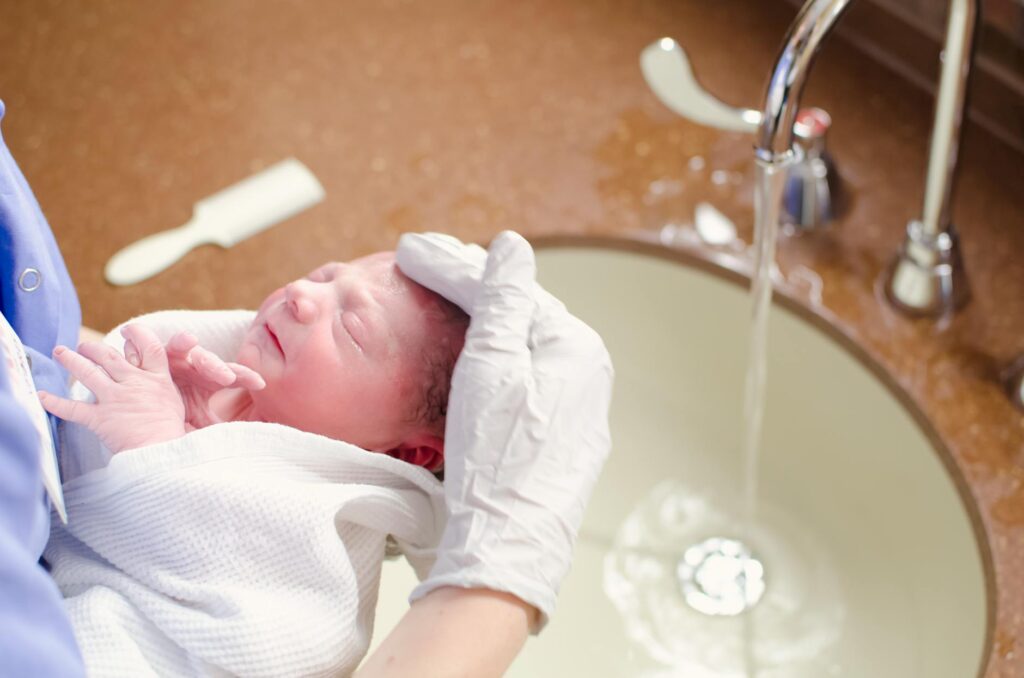
For the first few weeks, your baby might have their umbilical cord stump still attached. In this case, sponge baths are recommended until the stump falls off and heals.
Use a soft washcloth: Gently wipe down your baby’s skin, paying attention to creases and folds.
Keep them warm: Ensure the room is warm and only expose the part of their body you are cleaning.
Dry thoroughly: After cleaning, gently pat your baby dry, especially around the umbilical cord area.
Older Infants and Toddlers: Supervised Splashing
As your baby gets older and more mobile, bath time can become a bit more energetic!
Secure seating: If using a baby bath seat or ring, ensure it’s stable and on a non-slip surface. Never place it on a raised surface like a counter or a washing machine.
Gentle washing: Use a soft washcloth and a small amount of baby wash. Wash their hair last to prevent them from sitting in soapy water for too long.
Rinsing carefully: Make sure to rinse all soap residue from their skin and hair.
Common Mistakes to Avoid

Even the most attentive parents can sometimes make small errors. Being aware of common pitfalls can help you sidestep them.
Leaving the room: This is the most critical mistake. Even a few seconds of inattention can lead to disaster. Always have a hand on your baby or be within arm’s reach.
Using harsh soaps or adult products: Baby skin is delicate. Adult soaps can strip away natural oils and cause irritation.
Overfilling the tub: A few inches of water is plenty for a baby. They can drown in very shallow water.
Not checking water temperature: As mentioned, this is a huge risk. Always double-check.
* Allowing children to use the faucet: Teach older toddlers that the faucet is not a toy. They can get burned or scalded.
Frequently Asked Questions About Baby Bath Safety

Q: How often should I bathe my baby?
A: For newborns, 2-3 baths per week are usually sufficient. As they get older and more active, you might find daily baths become necessary, but focus on keeping their diaper area and face clean in between.
Q: What if my baby doesn’t like bath time?
A: Try making it a more positive experience. Introduce toys gradually, sing songs, and keep the water temperature consistently warm and comfortable. Start with shorter baths and gradually increase the time as they get used to it.
Q: How can I prevent slips and falls in the tub?
A: Ensure the bathtub is clean and free of soap residue. Using a non-slip mat or a bath seat can provide extra security. Always have a towel ready to grab your baby as soon as they are out of the water.
Q: Is it safe to use bath oils or bubble baths for my baby?
A: It’s generally best to stick to mild, tear-free baby washes. Bath oils can make the tub slippery, increasing the risk of falls. Bubble baths can sometimes irritate a baby’s sensitive skin.
Q: What if my baby’s skin gets dry after a bath?
A: Pat your baby dry gently instead of rubbing. Apply a mild, fragrance-free baby moisturizer or lotion immediately after the bath while their skin is still slightly damp to help lock in moisture.
Bath Time Bliss, Safety Guaranteed
Bath time is a wonderful opportunity to connect with your baby and create lasting memories. By taking a few simple precautions and staying attentive, you can ensure those bubbly moments are always safe and enjoyable. Remember to trust your instincts, stay present, and embrace the joy of this special routine. With a little preparation and a lot of love, bath time will be a highlight of your day.
—
This article is for educational purposes only and does not replace professional medical advice. Always consult a certified pediatrician.