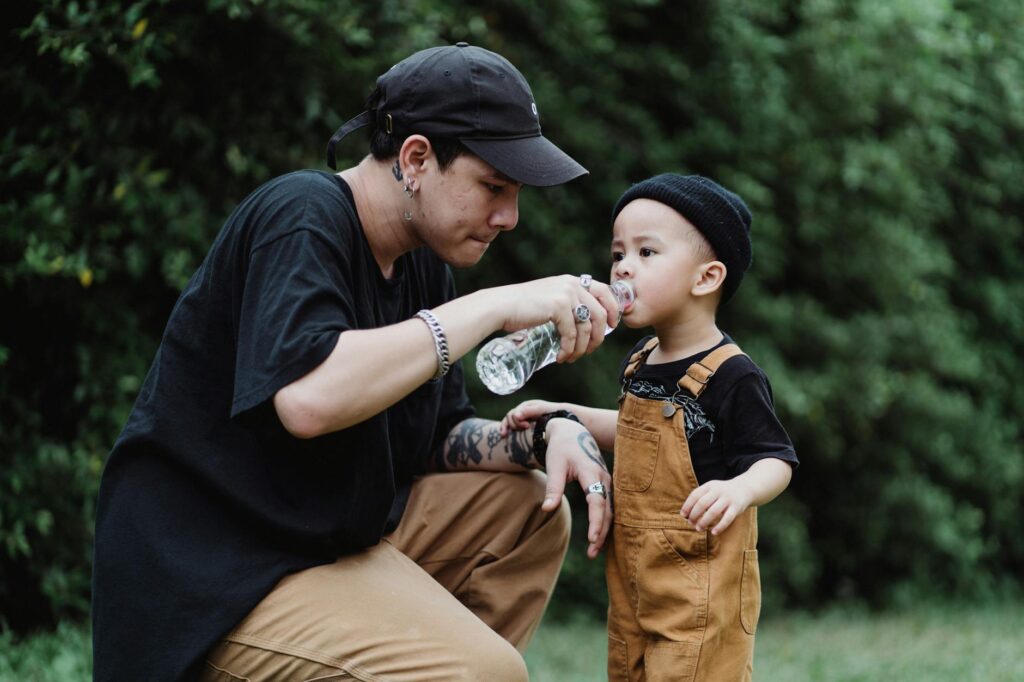
- Sip, Sip, Hooray! Simple Tips for Keeping Your Toddler Hydrated and Happy
- Why Hydration Matters (More Than You Think!)
- Making Water Wonderful: Creative Ways to Encourage Sipping
- Fun Cups and Straws
- Add a Splash of Fun
- Make it a Routine
- Beyond Water: Other Hydrating Heroes
- Milk: A Nutritional Staple
- Fruits and Veggies: Nature’s Hydrators
- When to Be Extra Vigilant: Recognizing Signs of Dehydration
- Common Pitfalls: What Parents Sometimes Get Wrong
- Frequently Asked Questions
- A Sip Towards a Happier Day
Sip, Sip, Hooray! Simple Tips for Keeping Your Toddler Hydrated and Happy

Ah, toddlerhood! A whirlwind of first steps, giggles, and… a whole lot of energy. As parents, we juggle so many things, and sometimes, something as seemingly simple as keeping our little ones properly hydrated can slip our minds in the delightful chaos. But trust me, a well-hydrated toddler is a happier, healthier toddler, and that makes for a happier, healthier you!
Think about it: water is essential for everything from digestion and temperature regulation to keeping their little bodies and brains functioning at their best. Dehydration, even mild, can lead to fussiness, fatigue, and a general “meh” feeling that no one wants. So, let’s dive into some easy, practical ways to ensure your little one is getting enough to drink throughout the day.
Why Hydration Matters (More Than You Think!)
Before we get to the “how,” let’s quickly touch on the “why.” For babies and toddlers, water plays a crucial role in:
Keeping their bodies cool: Especially important during warmer weather or after active play.
Helping their digestive system work smoothly: Preventing constipation and tummy troubles.
Supporting brain function: A hydrated brain is a happy, focused brain – essential for all that learning and exploring they do!
Transporting nutrients: Water is the delivery system for all the good stuff in their food.
Making Water Wonderful: Creative Ways to Encourage Sipping
Sometimes, toddlers are just picky! They might prefer colorful juices or milk, but water should be their primary drink. Here are some fun ways to make water more appealing:
Fun Cups and Straws
It sounds so simple, but a special cup can work wonders. Invest in a few fun sippy cups, straw cups, or even toddler-sized water bottles with characters they love. Sometimes, it’s the novelty of the container that makes them more interested in what’s inside. Let them pick out their own cup at the store – that can be a huge motivator!
Add a Splash of Fun
If plain water is met with resistance, try jazzing it up a bit:
Fruity Infusions: Gently muddle a few berries (like raspberries or blueberries) or add a slice of cucumber or orange to their water. Let it sit for a little while to infuse. It adds a subtle flavor and a pop of color.
Ice Cubes Galore: Make fun-shaped ice cubes using silicone molds. They can be animals, stars, or anything your child finds exciting. Add a few to their water for a cool, playful element.
Make it a Routine
Integrating drinking into your toddler’s daily schedule can make it second nature. Offer water:
Upon waking up: A great way to rehydrate after a night’s sleep.
Before and after meals: This can also help them feel fuller and prevent overeating.
After naps: Similar to waking up, it’s a good time to offer a drink.
During and after playtime: Especially if they’ve been running, jumping, or playing outdoors.
Beyond Water: Other Hydrating Heroes
While water is king, other sources can contribute to your toddler’s fluid intake:
Milk: A Nutritional Staple
For babies and toddlers, milk (breast milk or formula for younger ones, whole milk for older toddlers) is still an important source of hydration and nutrients. However, it’s best offered in moderation to avoid filling them up and displacing water. Consult your pediatrician for age-appropriate milk recommendations.
Fruits and Veggies: Nature’s Hydrators
Many fruits and vegetables are packed with water! Offer them fresh and frequently. Think:
Watermelon
Cantaloupe
Strawberries
Cucumbers
Oranges
Celery sticks (for older toddlers who can manage them safely)
These are not only hydrating but also provide essential vitamins and fiber.
When to Be Extra Vigilant: Recognizing Signs of Dehydration
It’s important to be aware of the signs of dehydration, especially in hot weather or when your child is ill. Mild dehydration can sometimes be tricky to spot, but look out for:
Less frequent wet diapers: A noticeable decrease in urination.
Dry mouth and lips: Their mouth may appear less moist than usual.
Fussiness or irritability: They might seem more grumpy or unsettled than normal.
Lethargy: They may seem unusually tired or less active.
Crying without tears: A more advanced sign.
Safety First! Practical Precautions:
Never leave a young child unattended with a cup or bottle: Especially if they are still learning to drink independently.
Choose age-appropriate cups: Ensure sippy cups or straw cups are designed for their age and stage of development.
Monitor temperature: If offering warm drinks, always test them before giving them to your child to prevent burns.
Be mindful of choking hazards: If adding fruit pieces to water, ensure they are small and age-appropriate.
Common Pitfalls: What Parents Sometimes Get Wrong
We’re all doing our best, but sometimes common practices can inadvertently lead to underhydration:
Relying too much on juice: While a small amount of 100% fruit juice can be okay for older toddlers (diluted, and with pediatrician approval), it’s high in sugar and can lead to tooth decay and displace water intake. Water should always be the primary beverage.
Assuming they’ll ask for a drink: Toddlers are often too engrossed in play to realize they’re thirsty. Proactive offering is key.
Over-reliance on milk: As mentioned, while nutritious, too much milk can fill them up and reduce their appetite for water.
* Not adjusting for weather or activity: On hot days or after vigorous play, their fluid needs increase significantly.
Frequently Asked Questions
Q1: How much water should my toddler drink each day?
A: This can vary based on age, activity level, and climate. A general guideline for toddlers (ages 1-3) is around 4-5 cups of fluid per day, with water being the primary source. Your pediatrician can offer the most personalized advice.
Q2: Can my toddler drink from an open cup?
A: Yes! Many toddlers can start learning to drink from an open cup with some supervision, usually around 12-18 months. It’s a great skill to develop, but expect some spills!
Q3: What about sugary drinks like sports drinks or soda?
A: These should be avoided for toddlers. They offer little to no nutritional value and are packed with sugar, which is detrimental to their health and teeth.
Q4: My toddler doesn’t seem thirsty. What can I do?
A: Try making drinking more fun with special cups, adding a little fruit infusion, or offering hydrating foods. Also, remember to offer drinks consistently throughout the day, even if they don’t explicitly ask.
A Sip Towards a Happier Day
Keeping your toddler hydrated doesn’t have to be a battle. By making water accessible, appealing, and a regular part of their routine, you’re setting them up for success. Remember, small, consistent efforts can make a big difference in their overall well-being and happiness. So, grab those fun cups, offer those hydrating snacks, and celebrate every little sip. You’ve got this, super parent!
***
This article is for educational purposes only and does not replace professional medical advice. Always consult a certified pediatrician.